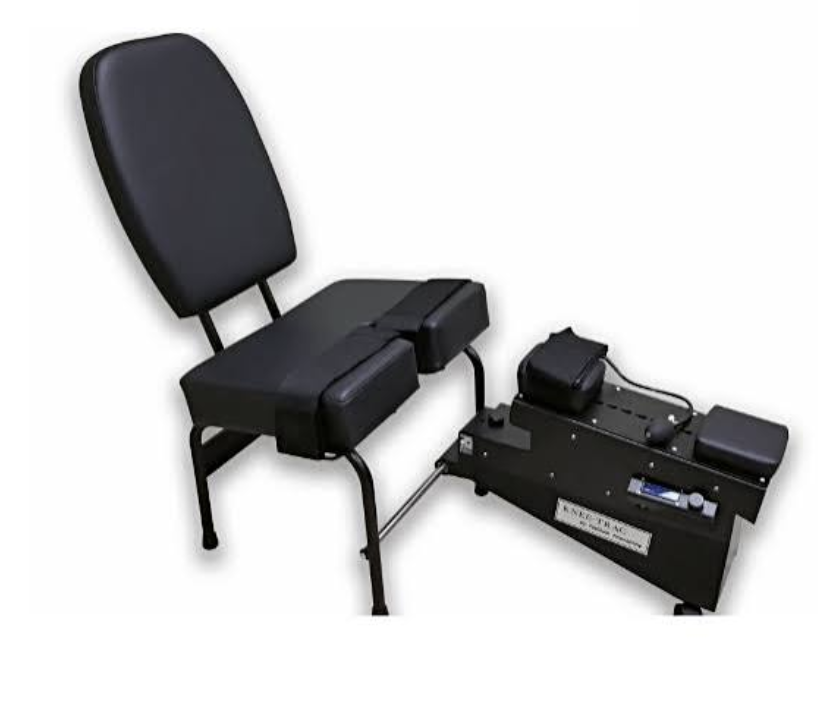
Knee Decompression
Knee decompression is a non-invasive treatment that uses gentle, controlled traction to reduce pressure within the knee joint. It may be used to support mobility, ease certain types of knee discomfort, and help you move more comfortably.
Gentle, Controlled Traction
Your leg is comfortably positioned while gentle traction is gradually applied to the knee joint.
Personalized to You
Treatment is adjusted based on your symptoms, comfort, activity level, and individual goals.
Part of a Comprehensive Care Plan
Knee decompression may be incorporated into your care plan to support joint mobility and more comfortable movement.
Could knee decompression help you?
Knee decompression may be an option for people experiencing ongoing knee pain, stiffness, or limited mobility. By gently creating space within the knee joint, decompression therapy is designed to reduce pressure on the joint and support more comfortable movement.
What can knee decompression help with?
Knee decompression may be considered for people experiencing knee pain, stiffness, reduced mobility, or discomfort with activities such as walking, climbing stairs, or exercise. It may also be used as part of a treatment plan for osteoarthritis-related discomfort or other joint compression and wear-related concerns.
What does knee decompression feel like?
Knee decompression is a gentle, controlled treatment. Your leg is supported in a comfortable position while light traction is gradually applied to the knee. Most patients describe feeling a mild stretch or sense of space around the joint rather than pressure or force. Your provider can adjust the treatment at any time to keep you comfortable.
Can knee decompression be combined with other treatments?
Yes. Depending on your needs, knee decompression may be incorporated alongside chiropractic care, soft-tissue techniques, therapeutic exercise, or other treatment options.
How many knee decompression sessions will I need?
There is no one-size-fits-all treatment schedule. The number and frequency of sessions depend on your condition, symptoms, response to treatment, and individual goals.